Tuesday, March 06, 2012
I'm Never Too Old for This Shit!

By Kevin J. Olson
Lethal Weapon is one of those movies that explains my love of the medium. Sure, it’s not as sexy as saying that Fellini’s 8½ or Vertigo or something by Rohmer or Godard were the catalyst for my cinephilia, but — as odd as it may sound — Richard Donner’s buddy cop movie starring Mel Gibson and Danny Glover helped shaped me as a lover of film. The progression goes something like this: As a kid, I loved Lethal Weapon. I wore out my Columbia House copy of the tape after only a few years. The more I watched it, the more I was curious about things that hadn’t always occurred to me. Things such as: “I wonder how they pulled that shot off” or “I like how they go from this scene to this scene.” Essentially what was happening was I was becoming more aware of the process of how a film was constructed. Naturally as a fan of Lethal Weapon (and its fantastic sequel), I devoured every action film I could. Sure, there were some horrible titles that I saw, but I remember one day biking home from my local Mom and Pop with a Cantonese movie that looked awesome. John Woo’s The Killer would have never been on my radar had I not loved Lethal Weapon so much that I went out and explored every kind of action movie. I become obsessed with Woo’s films, and as nerds are wont to do, I began researching (before Google! Yes, I had to use a library.) in magazines and movie encyclopedias what films possibly could have influenced John Woo to make this cinematic obsession of mine. This led to me finding out about Jean-Pierre Melville and how his Le Samourai was a huge influence on Woo’s version of the same film. So, in a roundabout way, Lethal Weapon led me to Le Samourai which led me to seeking out more world cinema.
The reason for this story is that my appreciation for Lethal Weapon goes far beyond mere nostalgia (although they don’t make ‘em like this anymore) or a kind of detached, ironic appreciation for a ‘80s action/comedy. I legitimately do love Richard Donner’s film for being the catalyst for my seeking out world cinema (a spark can come from the most unlikely of places), but I also love the film as its own entity separate from just being the movie I credit to interest in “higher” art. And on this, the film’s 25th anniversary, I found myself channeling the pre-teen that watched the film endlessly on VHS as I found myself, upon my most recent viewing of the film, to be just as wound up and invested in the film’s story and utterly elated by the finished product as I was all those years ago.
So, what was it that made this film about an oddball, yet endearing, duo of Los Angeles cops Martin Riggs (Gibson) and Roger Murtaugh (Glover) so appealing and engaging to audiences? Part of it may be the combination of two rising stars (Gibson was coming off the success of the Mad Max movies, although he wasn’t quite the international megastar yet; Glover had appeared in an important bit part in Witness and a major star turn in The Color Purple) and a more than competent action director, but I think a lot of the credit has to go to Shane Black’s script. Before he became a parody of himself with bloated screenplays for The Last Boy Scout and The Long Kiss Goodnight, Black wrote a screenplay that featured great dialogue for two actors who spouted it perfectly. The film’s narrative — a basic murder mystery that naturally finds its way into the drug world — actually develops nicely and wraps up without us thinking about how implausible it all was. The film’s script had attention to detail that so many action films lack today. It also allowed for Glover and Gibson to buy into these characters creating one of the most charismatic duos in the history of buddy-action movies (this formula had really only been done once prior to this with the lesser Walter Hill movie 48 Hrs.).
Richard Donner was really the only established commodity working on the film when it went into production (although one could make a case for Gibson due to his international success), and he makes sure the film is paced perfectly so that we never get worn out by the relentless action. The pacing of the film has an impeccable rhythm: we are introduced the mystery over the opening credits (using
 Christmas music as a gimmick to juxtapose the film’s violent story a year before Die Hard would), then to the two cops and their very different lives, then they’re thrust together and have their initial conflict, then they reluctantly begin to strike up a friendship as the two try to solve the Amanda Hunsaker mystery, and then realize how serious the investigation is while on their way to interview a witness. All of this takes place before any of the real action that affects the film’s main plot. Sure, there are a few establishing action scenes (my favorite being Riggs doing a Three Stooges shtick while busting some low-rent drug dealers), but the establishing 25 minutes or so of Lethal Weapon is more interested in giving the audience enough time to get to know and like these characters and like them as they joke around at the shooting range. (I love Riggs’ smiley face target guy) and Riggs seamlessly ingratiates himself into the Murtaugh family (coming into his bedroom in the morning with coffee and saying, “Come on, we got get up and catch bad guys.”) Roger Ebert correctly called Lethal Weapon a “bruised forearm movie” (meaning that the action is so intense that your date clutches your arm for the entire picture without letting go, leaving it bruised), but there’s so much more to it than that. Gibson and Glover, and their onscreen chemistry, are the reason why.
It’s crazy to think that Donner shot the film’s original ending with the intent that the film would be a “oner,” a movie that had no intentions of having a sequel. This original ending can be seen on the DVD special features and shows the partners at ease with their friendship and saying goodbye to one another. However, Donner felt the chemistry between Glover and Gibson — which they didn’t predict when the film went into production — was so good that he couldn’t just let these two characters part ways as the original ending intended. So, a new ending (the one in the film where Riggs gives Murtaugh a bullet signifying he won’t kill himself and Murtaugh letting Riggs into his home for Christmas) was shot that gave the duo a happier ending that allowed room to maneuver should they want to make a sequel. It’s a tribute to just how good Glover and Gibson were in these roles and their chemistry together that they convinced the director to change the ending of the film.

One of my favorite scenes that really showcases Gibson’s acting ability is when we’re first introduced to the suicidal tendencies of Riggs. Looking at a picture of his deceased wife, Riggs puts a gun in his mouth unable to go on. It’s overdramatic, sure, but Gibson acts the hell out of this scene and gives the character more depth than what we’re used to in action films. These aren’t Dirty Harry-type cops who just shoot the bad guys and simply allow that trait to define them. Riggs is mentally unstable, and we know why, and it plays a lot better than the film’s original opening which shows Riggs as a maniacal bad ass as he roughs up a handful of toughs in a bar. Having a director such as Donner helped the filmmakers to see that they had a better scene in the can for introducing Riggs and how they wanted him to relate to the audience; they definitely made the correct choice.
Murtaugh, conversely, is a family man who just turned 50, is unsure of his place as a cop in a modern police department and a father in a modern family, and we know why (the great opening scene of him in the tub on his birthday being serenaded by his family is another favorite) because the film gives these characters depth and dimensions that allow the viewer to get invested while juxtaposing these two very different eras of the cop prototype. Murtaugh feels more like John Wayne and Riggs seems inspired by the Schwarzenegger/Stallone inspired superman style of action heroes. By grounding Murtaugh in the past and in more of a reality than we’re accustomed to with action films from the ‘80s, it makes Riggs’ character stand out more (which is good because Gibson is more than up to the task as a performer) and the violence he inflicts (and has inflicted upon him…Murtaugh, too) means more when it happens.
So instead of the murder that Riggs and Murtaugh investigate just being an excuse for them to kill people and blow things up real-good, it actually begins the process of renewal and reawakening for the two characters; it gives them purpose. Riggs is able to channel his elite killing skills for something good (making him less suicidal in the process), and Murtaugh — once the investigation turns to personal threats — is able to reestablish his worth as a cop and father when those things seemed to be slipping away from him and becoming altogether obsolete (this family dynamic of the Murtaugh’s is actually one of the aspects that attracted Glover to the film’s script). All of these touches of character development were more abnormal in 1987 than in today’s modern action film (and keep in mind they did all of this and still kept the movie less than two hours, go figure).

Donner also makes the film re-watchable all these years later because the logistics of the action scenes make sense. Something modern action films are completely devoid of, letting your audience get their bearings and understand the confines of the space the film’s characters inhabit (especially during fight scenes) is what separates the really good action films from the bad ones. Look at the final fight scene between Riggs and the mercenary Joshua (a fantastic performance from Gary Busey in a role he credits to saving his career at the time) which is an interesting mix of Brazilian ju-jitsu and a fighting style known as Jailhouse Rock which is a mixture of different styles. These fighting styles hadn’t been seen onscreen before in a mainstream action movie (Steven Seagal’s Above the Law wouldn’t come out for another year) and showcase just how lethal Riggs is; they also put the viewer right into the chaos of the final fight which is a brutal, intense hand-to-hand battle. The difference between this final fight scene and say something from the Bourne movies is that Donner wisely cuts back about every 20 seconds to an establishing shot to remind the audience where they are so they can logically follow the action in the scene despite its chaotic aesthetic. It’s one of my favorite fight scenes in any action movie.
The time the film spends with these characters in their everyday lives, and the way the viewer always is aware of where the characters are and what is going on is one of the reasons the film still holds up 25 years later. But what really makes it special and memorable this many years after its initial release is the on-screen chemistry between Gibson and Glover. Maybe an argument could be made for the duo
 of Nick Nolte and Eddie Murphy (although Murphy, it seems to me, did all the heavy lifting there) as the better example of the mismatched buddy cop formula, but I prefer Riggs and Murtaugh for their poignancy as real-to-life characters, their wit and charm, and the ease in which these two actors slipped into these career-defining roles. Money made at the box office is never the determining factor for how good a movie is; however, it is a good indicator (sometimes) of what an audience connects to. Made for just $15 million, Lethal Weapon went on to gross more than $100 million and spawned the rare (this point is arguable, I admit) sequel that is better than the original (the film series, four films in all, has grossed more than $900 million). I think audiences responded to more than just the fact that the film is a perfectly executed action movie; I think audiences responded to these lived-in characters that are thrust into these action scenes. Lethal Weapon is certainly the most influential cop movie to come out of the ‘80s spawning all kinds of comedy/action hybrids that never could touch the concoction that Warner Bros. put together of Richard Donner’s direction, Shane Black’s script, and Glover and Gibson’s performances as they all coalesced perfectly to make one of the most influential and memorable action/comedy films of all time.
Tweet
Labels: 80s, Ebert, Eddie Murphy, Fellini, Godard, Mel Gibson, Movie Tributes, Nolte, Rohmer, Schwarzenegger, Stallone, Wayne, Woo
TO READ ON, CLICK HERE


Tuesday, October 11, 2011
Conversation Piece

"Entirely devoid of clichés…There is nothing else like it. It should be unwatchable, and yet those who love it return time and again, enchanted." — Roger Ebert
By John Cochrane
Today marks the 30th anniversary of the release of Louis Malle’s My Dinner With Andre (1981), not only one of the best films of recent decade, but a unique viewing experience that redefines what great filmmaking can be. Essentially an unbroken 100-minute conversation between two men in a restaurant, it has no right to work at all cinematically. It succeeds marvelously however — not only as a philosophical discussion — but as a portrait of two friends who often disagree yet are bound by mutual respect and the search for significance in their own lives.
The idea for the film came from its stars — experimental playwright and character actor Wallace Shawn and New York theater director Andre Gregory — who in 1975 became disillusioned and left his career to travel the world, in a soul-searching quest for creative inspiration. After hearing about some of these experiences upon Gregory’s return, Shawn suggested they write a screenplay revolving around their talks — with the two of them playing characters loosely based on their own personalities.

As the film opens, Wally walks across a dirty New York street to meet Andre for dinner. As he boards a graffiti-strewn subway, Shawn tells us in a voiceover that he is stressed about the scarcity of work and money, and the last thing he wants is to meet an old friend he hasn’t seen for years, and who — according to colleagues — appears to have suffered some sort of mental breakdown. Shawn is the more conventional character who most people will identify with — inquisitive, pragmatic and a little skeptical. Gregory is idealistic, easily excited, open to unconventional ideas and quick to give his honest opinion. Their differences are immediately apparent when greeting one another inside the restaurant. (Shawn: “You look terrific!” Gregory responding enthusiastically: “Well, I feel terrible!”) After some initial small talk, Shawn presses Gregory to tell him about what he’s been up to. It’s here where the film really takes off — with Gregory spinning fascinating stories for 45 minutes about working with theater groups in the Polish forest, traveling through the Sahara desert with a Buddhist monk and stepping off the societal grid in order to rediscover his self-identity.

In a typical movie, most filmmakers would create visual set pieces to dramatize what Gregory talks about — but director Louis Malle never does. He keeps his camera focused on the two men talking. (Malle received the script from a mutual friend of Gregory’s and enthusiastically offered his services as director unsolicited — while also strongly advising that there be no cutaways from the conversation in the restaurant.) Because of this stylistic choice and the director’s steady rhythm of two-shots, close ups and reactions, not only do we focus on the events and concepts that Andre describes, but we actually can see Wally and Andre's friendship evolve. This creates a wonderful instance of "theater of the mind." Instead of being shown Gregory’s stories of “beehives” and a simulated “death and burial” that others created for him, the viewer imagines and experiences them himself. In a recent interview, Gregory correctly states that the film has a canvas just as big as an epic such as Lawrence of Arabia (1962) — the difference being that it all takes place in the audience’s imagination.
Though the film begins with stories and ideas about theater and dramatic techniques, the last half of the movie morphs into an ideological debate about what it means to be human — whether you’re really alive or just doing things out of habit and avoiding real expressions of
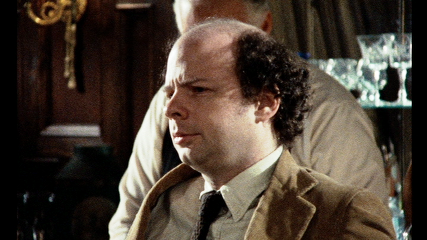 feeling and connection. Shawn begins to speak more in this part — passionately defending the scientific method and suggesting that some of Andre’s experiences (which Gregory interprets as fated signs or supernatural messages directed at him) are mere coincidences. He also argues that while many people may live their lives on autopilot, why should they have to go to Mount Everest — which is expensive, impractical and difficult — in order to have a life-changing experience when they could just as likely have an epiphany in their own home? Upon repeated viewings, it becomes even more evident that the film is as much about friendship and fear as it is about ideas. Shawn himself stated in an interview that in the beginning of the film, Wally is hiding behind silence, and Andre is hiding behind words. Sometimes Wally interjects an awkward tangent — like mentioning a submarine drama Violets Are Blue when Andre talks about a hallucination he had during a Christmas church service. By the movie’s conclusion though, both men have opened up — as they actively listen to and passionately question each other’s points of view.
 My Dinner With Andre may seem more conventional by today’s standards, but it was a revelation back in 1981. The film defied easy categorization, and although seemingly improvised, was crafted painstakingly by its creators. Shawn and Gregory taped their conversations for months, and Shawn then took an additional year to fine-tune the script. Likewise, Louie Malle shot the film not in an actual restaurant, but at the then abandoned Jefferson Hotel in Richmond, Va., over several weeks — carefully finalizing the script, editing takes and framing shots down to the inch to maintain the illusion of a busy public establishment. The movie almost died a quick death upon its initial release, but thanks to critics and word of mouth became a sleeper hit that rose to the forefront of independent American cinema. The picture played in some cities for more than a year and attained a beloved cult status among film buffs that remains to this day.
Since his death from lymphoma at the age of 63, it only has become more obvious that Louis Malle (1932-1995) was one of the great underappreciated masters of world cinema. A Palme d’Or winner at the age of 24 as a co-director and cameraman on Jacques Cousteau’s The Silent World (1956), Malle went on to be a founding member of the French New Wave, along with the likes of François Truffaut, Jean-Luc Godard and Eric Rohmer. Malle then quickly went his own way, avoiding repetition and often creating films that were vastly different from one another — other than a unifying technical virtuosity and a fierce intelligence and curiosity about people.
Because he worked in both France and America, making both fictional features and documentaries, Louis Malle never was accepted completely by either country. But his filmography of more than 30 movies speaks for itself. In addition to the one-of-a-kind Andre, some additional highlights include The Lovers (1958) — an adult fairy-tale, in which a bored aristocratic woman abandons her family and privileged existence when she falls in love with a stranger. In the controversial Lacombe, Lucien (1974) a teenage outcast joins the Gestapo, after being rejected by the French Resistance, only to later to have everything jeopardized when he develops feelings toward a Jewish girl. Revisiting this theme from a different angle toward the end of his career, the very personal Au Revoir Les Enfants (1987) is a semi-autobiographical account of a young boy during World War II, who discovers that his best friend at Catholic boarding school is one of several Jews that the priests are hiding. A possible companion piece to My Dinner With Andre is The Fire Within (1963), which tells the story of an alcoholic writer who decides to commit suicide after he finds he can no longer meaningfully connect with another person, or accept the life compromises that his friends and family have made. While that earlier character gives up his struggle, Andre and Wally continue to search for personal happiness and fulfillment.
Louis Malle’s last motion picture, Vanya on 42nd Street (1994), reunited him with Wallace Shawn and Andre Gregory in a filmed rehearsal-performance of Gregory’s long gestating workshop of Anton Chekhov’s Uncle Vanya (1899) — translated by David Mamet, and starring Shawn in the title role. Performed in a decaying Manhattan theater and featuring actors in street clothes with a minimal set of paper cups and card tables, Malle once again showcased his ability to make an engrossing film utilizing only great dialogue, ideas and performances. (Louis Malle was fascinated with sound, and was said to be able to tell if a take was good, just by listening to it with his eyes closed. “I like the talkies”, he once responded when questioned by Andre during Vanya’s production on why he made unconventional films like their two collaborations together.)
My Dinner With Andre ends ambiguously with an epilogue that’s just about perfect. As Wally takes a quiet taxi ride home, with Erik Satie’s beautifully pensive piano piece “Gymnopedie No. 1” playing on the soundtrack, the reflective mood is in stark contrast to the garbage cluttered landscape that Shawn travels through at the beginning of the movie. What the film seems to say is that it doesn’t matter whether you go to Mount Everest, or what answers you come up with on the meaning of life. It’s that you ask the necessary questions for continual growth, that you take the time to appreciate everyday things, and make the essential connections to others that make us all human beings — which includes the very important act of listening. As Andre so aptly puts it, “If you’re operating by habit, you’re not really living.” In today’s fast-paced world of technological advances, polarizing opinions, increased narcissism and decreasing communication, My Dinner With Andre remains a beacon of hope — and just as riveting and relevant as ever.
Tweet
Labels: 80s, Awards, Ebert, Godard, Malle, Mamet, Movie Tributes, Rohmer, Theater, Truffaut
TO READ ON, CLICK HERE
Saturday, September 10, 2011
The river runs, the round world spins… The day ends. The end begins.
"This and The Red Shoes are the two most beautiful color films ever made." — Martin Scorsese

By Edward Copeland
Scorsese wasn't alone when he expressed that opinion in a short interview he recorded in 2004 for The Criterion Collection edition of Jean Renoir's The River, the first film the French master made in color, which was released 60 years ago today. A short essay called "The Making of The River" by the late Alexander Sesonske accompanies the Criterion DVD. Sesonske, author of Jean Renoir: The French Films 1924-1939 and, at the time of the DVD's release, professor emeritus of film studies at the University of California-Santa Barbara, wrote that director Eric Rohmer called The River "the most beautiful color we have ever seen on screen." During the actual filming in India, Renoir and his d.p., nephew Claude Renoir, had to trust their eyes since they lacked Technicolor labs and could only see black-and-white rushes, sending footage to England for processing. According to Sesonske's piece, the answer arrived one day in a cable from London which read, "Technicolor chiefs consider photography of The River the best they have ever had." It's unusual for me to start a tribute to a film discussing what others thought about the cinematography, but while The River has a story to tell as well, its greatness lies first and foremost as a visual feast and the screenshots I have don't do its brilliant look justice. It also has an offscreen tale about how the film came to be that's nearly as interesting as the story on the screen.
Renoir's masterpiece The Rules of the Game opened in 1939 at the peak of his 15 years of superb filmmaking. Surprisingly, upon release in France Rules proved to be hated by both critics and audiences. (I also was surprised to hear Scorsese say on The River DVD that while he likes Rules OK, he can't relate to its characters and always would rather watch The River.) I think Francois Truffaut summed up how The Rules of the Game fits into film history in his book The Films in My Life.
"The Rules of the Game is the credo of film lovers, the film of films, the most despised on its release and the most valued afterward…Along with Citizen Kane, The Rules of the Game is certainly the film that sparked the careers of the greatest number of directors. We look at this movie with a strong sense of complicity; I mean that instead of seeing a finished product handed to us to satisfy our curiosity, we feel we are there as the film is made, we almost think that we can see Renoir organize the whole as we watch the film projected."
Given the reaction to Rules and the looming war clouds, Renoir headed to Hollywood. He did not his enjoy brief time there. Why is it that movie industries — usually Hollywood, but it can happen elsewhere such as when Japan turned Akira Kurosawa into a pariah in the late '60s — have this tendency to take film's greatest artists and squander them? It's not an across-the-board policy and sometimes the filmmaker in question gives the industry the finger and finances his movies any way he can such as Robert Altman did, but time and time again they shit on the artists and treasure the hacks. How some of the greats manage to navigate the system and do superb work without compromising themselves too much is a mystery. Anyway, Renoir was not a happy camper in Hollywood even though he managed to make six films between 1941 and 1947 one of which, The Southerner, earned him an Oscar nomination for director. According to Ian Christie, professor of film and media history at Birkbeck College, University of London, who also wrote an article in the Criterion booklet, Renoir surrendered in his fight against RKO over his final American film, 1947's The Woman on the Beach. Around this time, as Renoir himself tells in an introduction on the DVD taken from the Jean Renoir Presents series he made for television for showings of his films in the 1960s, he was reading book reviews in The New Yorker when he read one for the novel The River by Rumer Godden, which the critic described as "one of the best novels written in the English language" so far in the 20th century. Its portrait of an English family living in India fascinated Renoir and he started jotting down notes for a movie version.
Excited by the prospect of making a film again, he took the project to the various Hollywood studios who all told Renoir the same thing: No one wants to see a movie about India unless it has elephants, tigers or Bengal lancers and The River has none of those things. Meanwhile, a very successful florist in Los Angeles named Kenneth McEldowney (he provided the flowers for the first Oscar ceremony as well as the funeral for Jean Harlow, among others) went to a movie preview with his wife, an MGM publicist. She asked what he thought and he told her the movie was "junk." She dared him to do better so he sold his floral business and set out to make a movie of his own. According to Renoir's intro, McEldowney also had talked to financiers who agreed to back him if he ever chose to make a film. McEldowney also was fascinated by India, having been stationed
 there in the Air Force and fallen in love with the country. In a case of synchronicity, McEldowney was seated on a plane next to the sister of Jawaharlal Nehru, India's prime minister. McEldowney told her of his dream of making a movie in India, but she said Westerners can't seem to depict India accurately. The person who came closest, she said, was Rumer Godden in her novel The River and he should try to acquire the rights. McEldowney flew to London to try to meet Godden, only to learn that Renoir already had optioned the novel. McEldowney offered to produce the film with Renoir directing. Renoir had one demand before he would agree to work with McEldowney: He had to pay for Renoir to fly to India to see if it was feasible to film there because he wouldn't make the movie on studio sets. McEldowney agreed and Renoir fell in love with India and found it perfect for location shooting. The River would be made into a film, Renoir's first in color as well as the first color film shot in India. Getting all the equipment to India sometimes caused delays so during downtimes, Renoir shot silent, documentary-style footage of work along the Bengal River, a tributary of the Ganges. Renoir also insisted on using mostly nonprofessionals in the pivotal roles to give the film an air of authenticity, especially since the film revolves around blossoming adolescent girls (He also had no luck finding name stars to take on the adult roles who were willing to spend several months in India). "For without the stabilizing, conservative presence of a star, The River became an experimental film," Sesonske wrote.


The film begins by showing much of the labor that goes on in the Bengal River as a narrator (June Hillman), who we will later learn is the adult Harriet looking back on her and her family's life there when she was an adolescent, paints the picture of the scene with her words. Her voiceover describes the Bengal River as "one
 of the holy rivers flowing out of the eternal snows of the Himalayas and into the Bay of Bengali." She says that the river has a life of its own, where people spend the entirety of their lives — being born, living, working and dying. We witness the many Indian workers bringing rolls of a yellow substance to shore and unloading and moving it, almost like an assembly line, toward a plant. The adult Harriet informs us the substance is jute and it's the reason her family lives in India as her father (Esmond Knight) manages the plant that processes the jute. At this point, we see her father moving among the workers (the family's surname is never given) as he stops by a vendor at the bazaar to purchase a kite on his way to his family's home. He ends up taking two. "Father always preferred to take the longer way," she tells us in her look back. As we watch Father pass workers and villagers, he spots a small Indian girl and stops and gives her one of the kites. "Traditions have not changed in thousands of years," the adult Harriet comments, almost with envy.
The adult Harriet tells us about the large size of her family: There's her mother (Nora Swinburne), the teenage Harriet (Patricia Walters), who is a bit older than the rest of her siblings, Elizabeth (Penelope Wilkinson), the sole son Bogey (Richard Foster), Victoria (Cecilia Wood) and the young twins Muffy* (Jane Harris) and Mouse (Jennifer Harris). More growth is on the way as mother is pregnant with another child. When Father returns, he gives the other kite to Bogey, though the boy prefers lizards and turtles to toys. Helping keep Mother from being
 overwhelmed are servants and especially their Indian nurse Nan (Suprova Mukerjee), who tries to keep order in the house. The adult Harriet describes Nan as their "bridge to life, dragging us from dreams to reality, from reality to dreams." Harriet also attributes to Nan the quality of "filling our heads with romance, preparing our path for love" and we see the beginnings of the writer as young Harriet sits in the grass with a notebook while her older self tells viewers that she was "an ugly duckling waiting to turn into a swan." Outside, keeping a close watch on the children, especially Bogey, is Ram Singh (Sajjan Singh), who the narrator calls "our friend and protector," though his official role is that of gateman. He is a Sikh from the Punjab, she tells us, and once was "a valiant warrior." With a home so crowded with children, our storyteller from the future recalls an estate that always was filled with chatter and laughter, music and songs. Two others who often hang around the family's house are Bogey's best friend, an Indian boy named Kanu (Nimai Barik), and Valerie (Adrienne Corri), who is slightly older than Harriet but comes nearly every day to play anyway because she's an only child and there's no one else close to her age in the area. She's also rich since her father owns the jute press that Harriet's father manages.
This circle of family and friends becomes excited by the arrival of a stranger to the Bengal area. Mr. John (Arthur Shields), an Irish friend of Father's who lives down the road, is welcoming a visit from his American cousin who shares his first name, but is a war veteran (the war is never named) who lost his leg so he's referred to as Captain John (Thomas E. Breen) to avoid confusion. The excessively curious females in the family plus Nan and Valerie peer through the stone pillars of the estate's wall to try to catch a glimpse of the
 newcomer. Unfortunately, no one gets a good look. Fortune smiles upon them and Harriet's mind works quickest when she sees that Mr. John's daughter Melanie (Radha) has returned from the convent school she was attending. Since she hasn't seen her friend Melanie in a long time, Harriet hops the wall and runs over to greet her — and hopefully meet Captain John while she is there. Mr. John thwarts those plans because he's missed his daughter too much and steals her away too fast for Harriet to get anywhere else. Renoir co-wrote the screenplay with Godden herself, who was quite open to changes he wanted to make to her autobiographical novel. For example, the character of Melanie was invented. As Christie writes, her character was added "to give an Indian other than a servant an authentic voice and presence in the film's central drama," since that was a criticism from many Indians they met including one adviser, a young journalist by the name of Satyajit Ray, who a few years after his work on The River made his directing debut in 1955 with Pather Panchali. It also had a daring aspect because of the suggestion of possible romance between Melanie and the American Captain John which came at a time of heightened anger against race mixing on both sides (Indian and Westerners).
As The River develops, Melanie proves to be the most complex character in the film. When she first returns, she once again sees Anil (Trilak Jetley), the Indian boy she's known since she was a child and always assumed she would marry. However, Melanie suffers from a real identity crisis given her Irish father and her late Indian
 mother as to where she belongs. It doesn't help that Mr. John sent her to be educated at a Western school and that like Valerie and Harriet, she carries an attraction for the American Captain John. When she first returned home from school, she stayed in her convent clothes, but eventually she reverted to saris. Her father also carries much guilt about his daughter as well, even wondering at one point if she should have been born in the first place. When, at another time, her father comes to tell Melanie that Anil has come to see her Melanie suddenly doesn't want to see him. "I'm trying to be a practical man," Mr. John tells his daughter. "But you aren't practical," she replies. Still appealing for her to go see Anil, her father says, "He can give you so much. I've put you nowhere," referring to the fact that her mixed race pushes her outside the caste system. "Suppose I like to be nowhere," Melanie responds.
All of the pieces have been put in place for the story's main thrust. The more mature Valerie takes an interest in Captain John, who is of course at least a decade older than the oldest of the girls. She tries to be purposely aloof and cruel at times, getting her best friend Harriet to admit that she's starting to "hate her." Harriet still looks like a child, no matter how much she has started to feel the stirrings of womanhood, and tries to entice the American with her poems and storytelling. These all present the opportunity for Renoir, his nephew Claude and the Indian they trained at Technicolor to be their camera operator, Ramananda
 Sen Gupta, to film sequences remarkable not only for their color, but for their imagery as well. Many great examples come during the section covering Diwali, which also is known as the festival of lights. You see the lit-up faces of Nan and Harriet as they spy on Valerie and Captain John and see the girl smoke her first cigarette. There's also the subtler touch of the captain and Valerie sitting on the foot of some stairs and talk as Captain John keeps brushing away the moths that
 hover around the girl's face an hair. Before that, there are lots of shots of the various celebrations of the holiday itself, including the lighting of sparklers by all the children including Harriet and Valerie, who at first choose to ignore Captain John's presence in the house. Melanie, still dressed in her convent outfit, stands on the balcony with the adults watching the festivities. The adult Harriet explains that Hindus believe God is everywhere, so God is a river or a
 tree or even Captain John. Also, though they only believe in one God, they have temples devoted to different parts and in the Diwali section, we watch them honor Kali, the goddess of eternal destruction and creation because, as the adult Harriet tells us, "you can't have creation without destruction." That idea in many ways will prove not only to be the central motif of The River but essential to how Renoir formed and shaped the pieces of what he shot into this marvelous film, which is what he basically had to do. Sesonske wrote in his article on the making of the film, "Back in Hollywood in June 1950, Renoir discovered that the awkwardness of his actors made some footage unusable. Without the possibility of retakes, he began to construct his film in the editing room, first creating a version concentrating on the story of adolescent girls coming of age through their encounter with a romantic stranger." Unfortunately for Renoir, his youngest performers were his least experienced ones, most having none at all and while that story was the key, they alone couldn't carry the film. Again, retakes weren't an option. In his article, Sesonske continued, "Through subsequent versions, Renoir reduced the elements of story and added more and more of his documentary footage, compensating for the loss of dramatic material by adding a commentary to help explain the action and make Captain John acceptable." I guess those equipment delays turned out to be a lucky break after all.
While the young actresses hardly can be called the best film debuts in the world, it's clear even as great as The River remains that the weak link that Renoir needed to overcome in editing was Breen as Captain John. His performance lacks so much in the way of expression and charisma that Renoir really had no choice but to make the film be about falling in love with India because at times it's hard to fathom that one of the girls would develop feelings for Captain John, let alone three. It's really a credit to Renoir's direction of the girls and
 his staging of the action that it comes off as believable as it does. The only part that came off as genuinely charming or romantic to me is the scene I described earlier where he's gently swatting the moths away from Valerie. The River was the last film Breen ever made out of seven total with the only other notable title being 1949's Battleground directed by William Wellman and starring Van Johnson and earning James Whitmore an Oscar nomination for best supporting actor. Breen played Doc but it has been a long time since I've seen Battleground, so I don't recall him in it, but I think a seven film career may speak for itself since he lived until the year 2000 and has no other IMDb credits. For playing someone who is supposed to have lost his leg in a war, he reminds me somewhat of Kevin Costner at the opening of Dances With Wolves where we're supposed to believe he's a suicidal Cavalry officer. Perhaps real actors could make that believable. At one point, the adult Harriet says about Captain John, "I didn't realize…that he had no room in his thoughts for the romantic dreams of a silly little girl." With Breen playing Captain John, you can't be sure he has thoughts of any kind.
While that would seem to be a major demerit on The River, its beauty so overcomes one bad performance no matter how central that performance might be. Shields alone almost compensates as Mr. John, not only for his scenes with Melanie but with Captain John as well whether it's when he's explaining to him that "I’m too lazy for the big philosophies so I invent little ones of my own.” Even more interesting are Mr. John's thoughts
 after everyone has to deal with a surprise tragedy. (SPOILER ALERT) Little Bogey, always fascinated with scaly creatures, found himself particularly enthralled when he watched the performance of a snake charmer with a cobra. One day in the garden, he and his friend Kanu discover a cobra and Bogey tries to charm it with a makeshift flute. Harriet catches them and orders them to go report it immediately as they are supposed to do — she's preoccupied with an injury Captain John suffered and is on her way to take him flowers so she's too busy. Later, in a great montage, Renoir shows all the members of the family and the servants napping — Mother, Elizabeth, Victoria, the twins, Nan, ending with Harriet outside, who sits up with a start. She sees Kanu and he starts running. She chases him, but stops at the pipal tree where lying there, looking as if he's napping like everyone else, is Bogey, killed by the cobra. After the funeral, Mr. John tells Captain John, “We should celebrate that a child died a child. That one escaped. We lock them in our schools, we teach them our stupid taboos, we catch them in our wars, we massacre the innocents. The world is for children. The real world." (END SPOILER)
Perhaps the most memorable sequence in The River actually occurs on land. While Captain John recuperates from a spill he took, he gets the idea that the attraction he feels toward Melanie might be reciprocated. He tells her that he always had the impression that she disliked him, but she tells him the she only dislikes herself
 and runs out of the home. The American chases after her through the greenery at the same time, from different directions, after having been moping on Harriet's porch Harriet and Valerie both took Nan's suggestion and came to visit Captain John with flowers. They see him making his way through the lusciously green scenery and start their own pursuits, at one point with the three girls literally forming a triangle on the screen as the adult Harriet says they were "suddenly running away from childhood and rushing toward love." The pursuit of would-be lovers reminds one of The Rules of the Game, only this isn't played as farce. Valerie finally catches up with Captain John and snags a kiss, prompting our narrator to note, "It was my first kiss, received by another." The film advances a few months later as Father hands out letters to Valerie, Harriet and Melanie from Captain John, who it seems left a few months ago. As Christie points out quite rightly, "Renoir's films tend to show that not all problems are soluble." Father and Nan get called in from the porch to learn that Mother has had the baby, yet another girl. "Ten minutes ago, she wasn't born," Harriet says. "Tomorrow, we'll be used to her."
Ian Christie also writes that "we know that Rumer Godden liked Renoir's adaptation of The River as much as she disliked Michael Powell and Emeric Pressburger's version of her earlier novel, Black Narcissus." The greatest contribution made by The River though is how it rejuvenated Jean Renoir after the double whammy of having his native country reject his greatest work and then to get mistreated by Hollywood after that. It inspired him to return to Europe where he had another burst of creativity and produced some more wonderful films. Renoir also got to see The Rules of the Game restored to what he originally intended and recognized as the masterpiece it is. As for Kenneth McEldowney, he never made another film. He'd taken his wife's dare and succeeded, so he felt he had nothing left to prove and went into real estate.
*In English subtitles (and it is an English language film) and various references to cast lists and the characters' names, some spell the one twin as Muffy, others as Muffie.
Tweet
Labels: 50s, Altman, Archers, Costner, Fiction, Harlow, Kurosawa, Movie Tributes, Oscars, Renoir, Rohmer, Scorsese, Truffaut, Wellman
TO READ ON, CLICK HERE
Monday, February 21, 2011
The Most Vulnerable Point

By Jonathan Pacheco
Released 40 years ago in the U.S., Claire's Knee is Éric Rohmer's invitation to consider how much one can believe a man who may not believe himself. During a summer on Lake Annecy, the film dissects the words and thoughts of a charismatic diplomat and contrasts them with his actions and their implied motivations as they pertain to two enticing underage girls. As the fifth film of Rohmer's Six Moral Tales, Claire's Knee observes the obsessions, desires, and so-called perversions of a grown man from a woman's perspective, exposing them for their typicality and self-deluding nature.
Handwritten title cards noting the day's date precede every scene as the film chronicles a month in the life of Jérôme (Jean-Claude Brialy), vacationing in France before his marriage. The handsome, confident, intelligent man soon bumps into his female equivalent, an old flame and writer, Aurora (Aurora Cornu), who's lodging with a family off the nearby coast. As the two spend more time together, one topic they consistently land upon is Jérôme's impending marriage and how it relates to his freedom; he claims he loses no freedom with his decision to wed, still able to behave as he wishes sexually, only, according to him, doing so would be pointless. He's come to the logical conclusion that he and his fiancée are meant to end up together. Still, Aurora becomes intrigued by his claims, and more so with how they relate to the way her host's 16-year-old daughter, Laura (Béatrice Romand), has become infatuated with the frequently visiting Jérôme. The author urges him to nurse and pursue the girl's flirtations, considering it "research" for a novel she'd like to write.
What we see on screen is, essentially, Aurora's writing notes detailing the events she witnesses and those relayed to her by Jérôme, explaining the film's distant feel and why scenes exist solely to inform, sometimes cutting off abruptly once we've seen all we need to see. Aurora is calculating and deliberate, and so is this resulting film. More than a slight storytelling gimmick, this more objective perspective subtly works to reveal Jérôme's delusions, specifically his conviction that his desires for Laura and her visiting stepsister, Claire (Laurence de Monaghan), are empty, pointless, and mostly out of obligation to Aurora's requests.
Though convincing for most of the time, Jérôme's repeated claims of feeling nothing for other women, constantly pointing to his impending marriage as evidence, serve as slightly idiosyncratic indications of the man's inner struggle. He insecurely qualifies many actions with the reminder that does these things only to benefit Aurora's novel, yet it's without Aurora's prodding that he becomes disturbed and infatuated by Claire, specifically by a desire to caress what he deems her most vulnerably body part, her knee. If before, Jérôme had to be nudged or urged to pursue the younger Laura (symbolized when Jérôme rattles the cherry tree to see if the fruit is ripe), his desires for Claire feel like they would have shaken loose inevitably (like the ripe cherries being picked in the scene where he first notices the blonde's wondrous knee).
Aurora sees through her friend. Like the painting of the blindfolded Don Quixote, the hero must be blinded, otherwise he'd never go through with the adventure. Aurora allows Jérôme to be blind to his true motives and insecurities so that she can selfishly benefit from his escapades. She does, however, occasionally call him out regarding the true banality of his stories. Because he never sleeps with any of the teenagers, Jérôme's tale is decidedly ordinary except for the emphasis and perversion that he himself places on it. To Aurora, that's not enough (which may be why the film feels like her notes instead of her novel). But it is for Jérôme, who, by the film's end, basks in his triumph, congratulating himself on fulfilling his fantasy while simultaneously doing Claire a favor by turning her against her bratty boyfriend Gilles (Gérard Falconetti). I'm convinced that Jérôme needs to play these games to find comfort and convince himself that his experience is special, not banal, that his marriage is liberating, not confining, and that he possesses discipline, not weakness.
What challenges me the most about Claire's Knee is how persuading Jérôme can be. Like the smooth diplomat that he is, he's compelling, confident, and convincing in almost every word he says, and for most of the film I'm in denial about his true nature. I want to believe him when he says his affectionate actions toward Laura don't feel sinful but rather meaningless and out of obligation. I want to believe that his self-assessments are honest. But by the time the screen reads "Fin" as Claire reconciles so easily with the boyfriend Jérôme thought he successfully turned her against, his previous gloating turns pitiable, and there's little left he can say about himself that I can believe.
Tweet
Labels: 70s, Foreign, Movie Tributes, Rohmer
TO READ ON, CLICK HERE
Friday, December 31, 2010
The Year in Appreciations
By Edward Copeland
Now this is hardly a comprehensive list of the artists who left us in the calendar year 2010, but just of those we had the time and energy to do write-ups on. Sometimes the death announcements hit at an inopportune time for me such as when we lost Dino De Laurentiis. I was on the way to a lengthy doctor's appointment and by the time I got home, I was so worn out the news was so old, I didn't have the stamina to type something out. Othertimes, even important artists who deserved mention, I wouldn't have had much to say about, even someone as great (and a Facebook friend) such as George Hickenlooper. I wouldn't have had much to say about Barbara Billingsley or Ronni Chasen, but they deserved notice as did Mitch Miller, Jerry Bock, Sally Menke and many others. It's meant as no slight on those we didn't. There are a lot of names, but I doubt that even this list is comprehensive.
_09.jpg)
Jean Simmons (January 23)

J.D. Salinger (January 28)

Peter Graves (March 14)

Robert Culp (March 24)

David Mills (March 31)

John Forsythe (April 2)

Dixie Carter (April 10)

Lynn Redgrave (May 3)

Lena Horne (May 10)

Dennis Hopper (May 29)

Rue McClanahan (June 3)

James Gammon (July 17)
in Major League

Patricia Neal (August 8)

Kevin McCarthy (September 12)

Harold Gould (September 13)
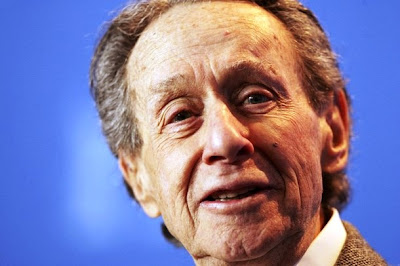
Arthur Penn (September 29)

Tony Curtis (September 30)

Stephen J. Cannell (October 1)

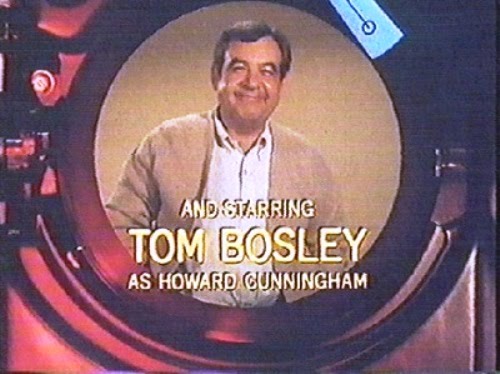
Tom Bosley (October 19)

Monica Johnson (November 2)

Jill Clayburgh (November 5)
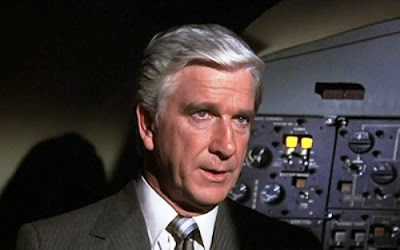
Leslie Nielsen (November 28)

Blake Edwards (December 16)
Others who deserve remembering in alphabetical order: Corey Allen, Dede Allen, Sparky Anderson, Louis Auchincloss, Beryl Bainbridge, Roy Ward Baker, Eddie Barth, Martin Baum, Captain Beefheart, Martin Benson, Luis Garcia Berlanga, Lisa Blount, Denise Borino-Quinn, Vance Bourjaily, Robert F. Boyle, David Brown, Solomon Burke, Jackie Burroughs, Christopher Cazenove, Claude Chabrol, Maury Chaykin, Chao Li Chi, Alex Chilton, John Clifford, Art Clokey, Hank Cochran, Clay Cole, Gary Coleman, Paul Conrad, Leo Cullum, Joe Deal, Jimmy Dean, Richard Devon, George DiCenzo, Ronnie James Dio, Nancy Dolman, Bernard-Pierre Donnadieu, Donal Donnelly, Clive Donner, Paul Dunlap, Doris Eaton, Bill Erwin, Doug Fieger, Eddie Fisher, Maureen Forrester, Fred Foy, William A. Fraker, Dick Francis, David Froman, Frank Giering, Jackson Gillis, Greg Giraldo, Mark Gordon, Henryk Gorecki, John Graysmark, Kathryn Grayson, Bud Greenspan, Bob Guccione, Corey Haim, Barry Hannah, Capt. Phil Harris, Peter Haskell, June Havoc, Peter Hofmann, Alan Hume, Gregory Isaacs, Marvin Isley, Peter Jamison, Mitch Jayne, Lionel Jeffries, Lamont Johnson, Elliott Kastner, Larry Keith, Irvin Kershner, Andrew Koenig, Michael Kuchwara, Steve Landesberg, Jack Levine, Marcia Lewis, Abbey Lincoln, Art Linkletter, James MacArthur, Simon MacCorkindale, Tom Mankiewicz, Joe Mantell, Teena Marie, Jim Marshall, Grant McCune, Kate McGarrigle, Vonetta McGee, Malcolm McLaren, Caroline McWilliams, Justin Mentell, Don Meredith, James Mitchell, Willie Mitchell, Mario Monicelli, Elizabeth Moody, Ronald Neame, Edwin Newman, Kazuo Ohno, Merlin Olsen, Nikos Papatakis, Fess Parker, Robert B. Parker, Robert Paynter, Harvey Pekar, Teddy Pendergrass, Charles Pierce, Ingrid Pitt, Belva Plain, Sigmar Polke, Dorothy Provine, Pete Quaife, Irving Ravetch, Corin Redgrave, Frances Reid, Pernell Roberts, Eric Rohmer, Lina Romay, Aaron Ruben, Zelda Rubinstein, Bruno S., Jose Saramago, Furio Scarpelli, Robert Schimmel, Karen Schmeer, Daniel Schorr, Erich Segal, Robert J. Serling, Glenn Shadix, Ted Sorenson, David Soyer, Joseph Stein, George Steinbrenner, Joseph Strick, Gloria Stuart, Joan Sutherland, Hideko Takamine, Billy Taylor, Derek Vanlint, Shirley Verrett, Helen Wagner, Albertina Walker, Earl Wild, Norman Wisdom, David L. Wolper, Ilene Woods, Lorene Yarnell and Howard Zinn.
Tweet
TO READ ON, CLICK HERE
Now this is hardly a comprehensive list of the artists who left us in the calendar year 2010, but just of those we had the time and energy to do write-ups on. Sometimes the death announcements hit at an inopportune time for me such as when we lost Dino De Laurentiis. I was on the way to a lengthy doctor's appointment and by the time I got home, I was so worn out the news was so old, I didn't have the stamina to type something out. Othertimes, even important artists who deserved mention, I wouldn't have had much to say about, even someone as great (and a Facebook friend) such as George Hickenlooper. I wouldn't have had much to say about Barbara Billingsley or Ronni Chasen, but they deserved notice as did Mitch Miller, Jerry Bock, Sally Menke and many others. It's meant as no slight on those we didn't. There are a lot of names, but I doubt that even this list is comprehensive.
_09.jpg)




Others who deserve remembering in alphabetical order: Corey Allen, Dede Allen, Sparky Anderson, Louis Auchincloss, Beryl Bainbridge, Roy Ward Baker, Eddie Barth, Martin Baum, Captain Beefheart, Martin Benson, Luis Garcia Berlanga, Lisa Blount, Denise Borino-Quinn, Vance Bourjaily, Robert F. Boyle, David Brown, Solomon Burke, Jackie Burroughs, Christopher Cazenove, Claude Chabrol, Maury Chaykin, Chao Li Chi, Alex Chilton, John Clifford, Art Clokey, Hank Cochran, Clay Cole, Gary Coleman, Paul Conrad, Leo Cullum, Joe Deal, Jimmy Dean, Richard Devon, George DiCenzo, Ronnie James Dio, Nancy Dolman, Bernard-Pierre Donnadieu, Donal Donnelly, Clive Donner, Paul Dunlap, Doris Eaton, Bill Erwin, Doug Fieger, Eddie Fisher, Maureen Forrester, Fred Foy, William A. Fraker, Dick Francis, David Froman, Frank Giering, Jackson Gillis, Greg Giraldo, Mark Gordon, Henryk Gorecki, John Graysmark, Kathryn Grayson, Bud Greenspan, Bob Guccione, Corey Haim, Barry Hannah, Capt. Phil Harris, Peter Haskell, June Havoc, Peter Hofmann, Alan Hume, Gregory Isaacs, Marvin Isley, Peter Jamison, Mitch Jayne, Lionel Jeffries, Lamont Johnson, Elliott Kastner, Larry Keith, Irvin Kershner, Andrew Koenig, Michael Kuchwara, Steve Landesberg, Jack Levine, Marcia Lewis, Abbey Lincoln, Art Linkletter, James MacArthur, Simon MacCorkindale, Tom Mankiewicz, Joe Mantell, Teena Marie, Jim Marshall, Grant McCune, Kate McGarrigle, Vonetta McGee, Malcolm McLaren, Caroline McWilliams, Justin Mentell, Don Meredith, James Mitchell, Willie Mitchell, Mario Monicelli, Elizabeth Moody, Ronald Neame, Edwin Newman, Kazuo Ohno, Merlin Olsen, Nikos Papatakis, Fess Parker, Robert B. Parker, Robert Paynter, Harvey Pekar, Teddy Pendergrass, Charles Pierce, Ingrid Pitt, Belva Plain, Sigmar Polke, Dorothy Provine, Pete Quaife, Irving Ravetch, Corin Redgrave, Frances Reid, Pernell Roberts, Eric Rohmer, Lina Romay, Aaron Ruben, Zelda Rubinstein, Bruno S., Jose Saramago, Furio Scarpelli, Robert Schimmel, Karen Schmeer, Daniel Schorr, Erich Segal, Robert J. Serling, Glenn Shadix, Ted Sorenson, David Soyer, Joseph Stein, George Steinbrenner, Joseph Strick, Gloria Stuart, Joan Sutherland, Hideko Takamine, Billy Taylor, Derek Vanlint, Shirley Verrett, Helen Wagner, Albertina Walker, Earl Wild, Norman Wisdom, David L. Wolper, Ilene Woods, Lorene Yarnell and Howard Zinn.
Tweet
Labels: Arthur Penn, Blake Edwards, Hopper, Jean Simmons, Nielsen, Patricia Neal, Rohmer, Tony Curtis
TO READ ON, CLICK HERE


